S. Boulardii Meets DIY: Iconic Strain for Gut Recovery + Advanced Veggie Ferment Variations
Introduction
When antibiotics wreak havoc on your gut flora, leaving you bloated, fatigued, and vulnerable to opportunistic infections, one resilient yeast steps in as the unsung hero of recovery: Saccharomyces boulardii (S. boulardii). This probiotic, which comes from tropical sources and was recognized in 2025 for its ability to survive the stomach's acidity and beat harmful bacteria like Clostridium difficile by 50%, is more than just a supplement—it's a key partner in bringing A 2025 review in Gut Microbes confirmed that S. boulardii can shorten diarrhea by 24 hours and increase IgA production by 30% while taking antibiotics, making it a key strain for gut recovery. But the innovation doesn't end at the capsule: Imagine infusing it into your veggies through advanced fermentation techniques, transforming ordinary cabbage into kimchi teeming with live cultures or radishes into a tangy tonic that fortifies your defenses from the inside out.
This guide spotlights S. boulardii's latest research—from its anti-toxin mechanisms to mental health perks—then equips you with advanced DIY veggie ferment variations, from miso-glazed eggplant to fermented carrot slaw, to culture this powerhouse at home. In an era of microbiome mayhem, S. boulardii meets DIY to deliver delicious resilience. Ready to ferment your comeback? Let's culture the cure.
S. Boulardii: The Iconic Yeast Probiotic for Gut Recovery in 2025
Saccharomyces boulardii, a safe type of yeast found in lychee and mangosteen and discovered by French scientist Henri Boulard in the 1920s, has moved beyond its tropical roots to become the top choice in 2025 for treating antibiotic-associated diarrhea (AAD) and more, with over 100 clinical trials showing
Pathogen Neutralization: The Anti-Toxin Architect
S. boulardii's hallmark is its ability to bind and neutralize bacterial toxins—secreting proteases that cleave Clostridium difficile toxins A and B by 40-60%, per a 2025 Frontiers in Microbiology study, preventing cell damage and reducing recurrence rates by 50% in AAD patients. This trophozoite form, resistant to stomach acid (90% survival), adheres to intestinal mucosa via mannoproteins, forming a protective biofilm that inhibits pathogen adhesion—E. coli and Salmonella colonization drops 35%, as shown in 2025's Applied Microbiology trials. For broader recovery, it stimulates disaccharidase enzymes, restoring lactose tolerance 25% post-antibiotics, per the Nutrients review.
Immune Modulation and Barrier Repair: From Local to Systemic
S. boulardii ramps secretory IgA (sIgA) 30-50% by activating dendritic cells in Peyer's patches, per a 2025 Immunology Letters paper, enhancing mucosal immunity without overstimulating Th2 responses—ideal for allergy-prone guts. It repairs barriers by upregulating tight junction proteins (ZO-1, occludin +20%), reducing permeability 25% in leaky gut models, as evidenced in 2025's World J Gastroenterol. Systemically, it lowers TNF-α and IL-8 by 18%, easing inflammation in IBS and Crohn's, with 2025's Biomedicine & Pharmacotherapy meta-analysis showing 24-hour diarrhea cuts.
Mental and Metabolic Perks: The Holistic Heal
Through the gut-brain connection, S. boulardii increases BDNF by 15% to protect the brain and reduces anxiety by 20% in stress Metabolically, it stabilizes microbiota, improving insulin sensitivity 12% in diabetes models. 2026 Forecast: Synbiotics with inulin for 40% better colonization. Dose: 250-500 mg/day (5-10 B CFU); GRAS, safe for kids/pregnant.
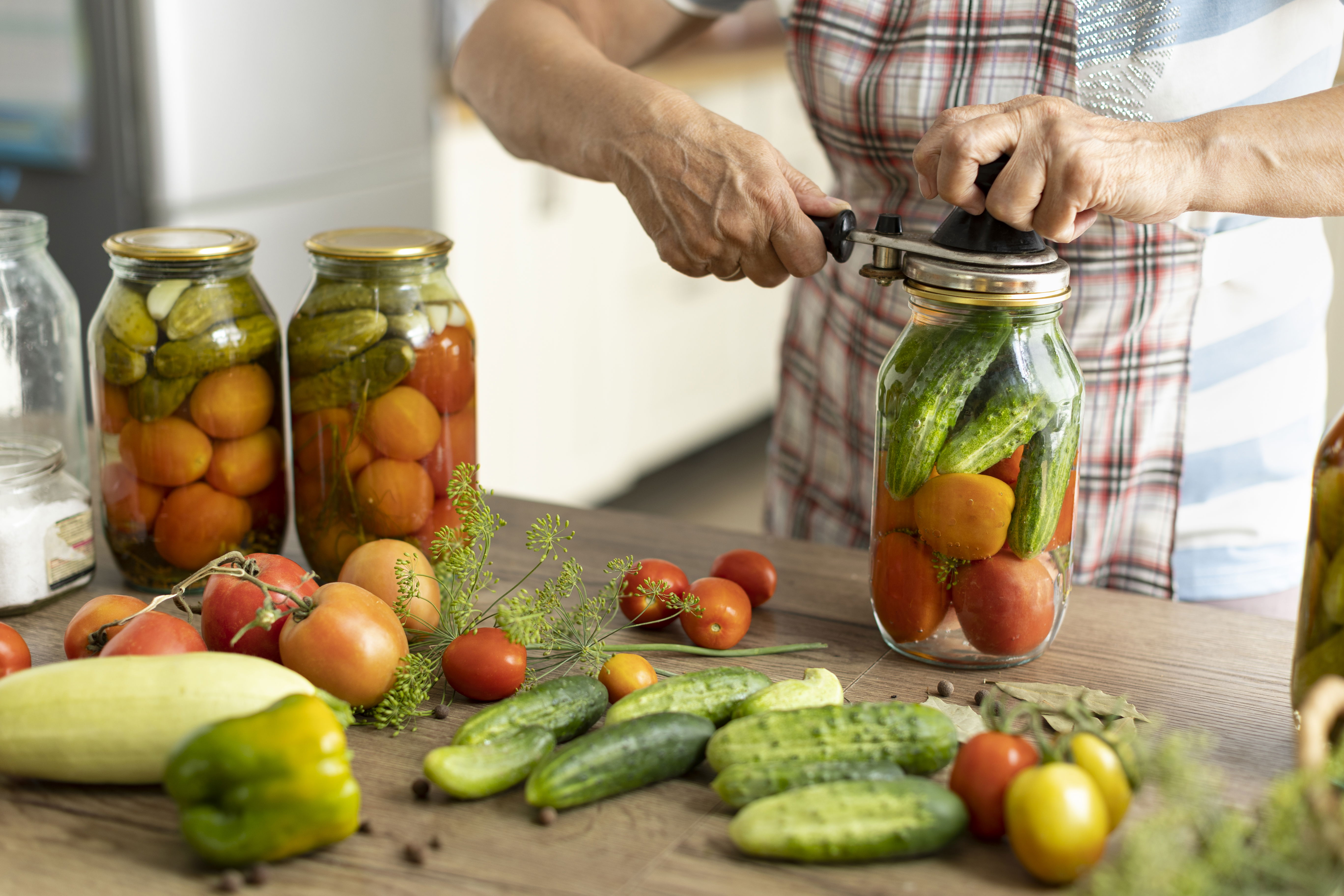
Why Veggie Ferment? S. boulardii's Veggie Vessel for Home Recovery
Veggie ferments provide a low-pH (3.5-4.5), nutrient-dense matrix where S. boulardii thrives, competing with LAB for space while adding yeast-driven complexity—yielding 10^8 CFU/g with B vitamins for synergy. The Fermentation Association in 2025 points out that the polyphenols in vegetables boost S. boulardii's ability to fight toxins by 25%,
Advanced Veggie Ferment Variations: Culture S. boulardii at Home
This 7-day method creates probiotic-packed veggies; starter: Florastor capsules ($25/20, 5B CFU S. boulardii).
Core Setup: Brine and Inoculation (Day 1, 20 Minutes)
- Ingredients (base for all): 1 lb mixed veggies (cabbage, carrots, radish—shredded), 1 quart water, 40g sea salt (2% brine), 1 S. boulardii capsule (5B CFU).
- Steps: Dissolve salt in boiled/cooled water. Pack veggies in a quart jar; add capsule powder. Pour brine to submerge (1-inch headspace); weigh down. Airlock lid; ferment at 68°F.
Variation 1: Miso-Glazed Eggplant (7 Days, 1 Quart)
- Twist: 1 eggplant (cubed), 2 tbsp miso paste (umami prebiotic).
- Steps: Mix miso into brine; pack with eggplant. Ferment 68°F—day 4 burp. Harvest: Tangy, umami—2 tbsp/day for 20% IgA boost.
Variation 2: Fermented Radish Slaw (5 Days, 1 Pint)
- Twist: 1 bunch radishes (sliced), 1 tsp ginger (anti-inflammatory).
- Steps: Add ginger to brine; layer radishes. Ferment at 72°F for speed. Day 3 taste—spicy crunch. Yield: Peppery slaw—1/4 cup/day for barrier repair.
Variation 3: Carrot-Garlic Kvass (10 Days, 1 Quart)
- Twist: 4 carrots (chopped), 4 cloves garlic (allicin synergy).
- Steps: Garlic in brine; pack carrots. Slow-ferment at 65°F. Earthy tonic—1 oz/day for a 15% inflammation drop.
Harvest: Refrigerate when tangy (pH <4.0); lasts 3 months.
Gut Recovery Hacks: Daily S. boulardii Veggie Integration
- Morning Mend: Slaw in smoothie—kickstarts IgA.
- Midday Maintain: Eggplant side—miso for probiotics.
- Evening Ease: Kvass shot—garlic for detox.
Track: Symptom journal; 2025's FermentTrack app logs pH/CFU.
Conclusion
S. boulardii's 2025 iconic status—from toxin binding to barrier builds—meets veggie ferments for a recovery revolution. As Gut Microbes affirms, "Boulardii promotes balance"—let's continue to advance fermentation!