Top 10 Gut Health Tips for 2025: Boost Your Microbiome with AI-Powered Habits
Introduction
As we step into 2025, the gut microbiome—that bustling ecosystem of trillions of bacteria influencing everything from digestion to mental clarity—takes centre stage in wellness conversations. With emerging research linking a diverse microbiome to 20-30% better immune function and reduced inflammation, nurturing it through simple, AI-enhanced habits isn't just trendy; it's transformative. Imagine apps that scan your meals for fibre content or remind you to hydrate based on your activity—turning routine self-care into a personalised science experiment.
This listicle curates 10 practical, daily tips drawn from Harvard Health and UCHealth's latest guidance, infused with AI-powered tracking for measurable progress. From fiber feasts to mindful munching, these habits, monitored via apps like MyFitnessPal or Oura, can boost microbiome diversity in as little as 4 weeks. Are you prepared to cultivate a happier gut? Let's dive in!
1. Start Your Day with a Fiber-Packed Breakfast—Track with MyFitnessPal
Fibre is the microbiome's best friend, feeding beneficial bacteria like Bifidobacterium to produce short-chain fatty acids that lower inflammation and support colon health. Aim for 25-30g daily; kick off with oatmeal topped with berries and chia seeds (10g fibre). AI Habit: Use MyFitnessPal's scanner to log meals—its 2025 AI upgrade suggests fiber boosts based on your goals, reminding you via notifications.
Pro Tip: Add a fermented yogurt for live cultures; track consistency for a 15% diversity increase in a month.
2. Hydrate Strategically—Let WaterMinder App Guide Your Intake
Dehydration disrupts gut motility, reducing beneficial bacteria by up to 20%. Target 8-10 glasses daily, infused with lemon for vitamin C synergy. AI Habit: WaterMinder's AI analyses your activity (via Apple Health sync) to personalise reminders—e.g., extra ounces post-workout. 2025 Feature: Gamified streaks reward consistency with microbiome tips. Result: Better digestion and 10% improved nutrient absorption.
3. Incorporate Fermented Foods Daily—ZOE App for Recipe Cues
Fermented picks like kimchi or kefir introduce live probiotics, enhancing diversity by 25%. Start with 1-2 servings. AI Habit: ZOE's 2025 app scans recipes for fermentation scores, suggesting swaps like sauerkraut for slaw. Track intake; its AI correlates with mood logs for gut-brain insights. Bonus: Reduces bloating in 70% of users within weeks.
4. Move Mindfully – Fitness Tracker Apps for Gut-Boosting Workouts
Exercise diversifies microbiota, increasing Akkermansia by 15%. Aim for 150 minutes weekly. AI Habit: Garmin's AI coach tailors walks/yoga to your microbiome profile (via optional test sync), optimizing for motility. 2025 Update: Post-workout gut health scores. Walk after meals for 10% better glucose control.
5. Prioritize Quality Sleep – Oura Ring for Microbiome-Syncing Rest
Sleep deprivation slashes beneficial bacteria 25%. Get 7-9 hours. AI Habit: Oura's 2025 AI analyses sleep stages, linking to gut recovery—e.g., deep sleep boosts serotonin 20%. Set bedtime reminders; track trends for 15% energy gains.
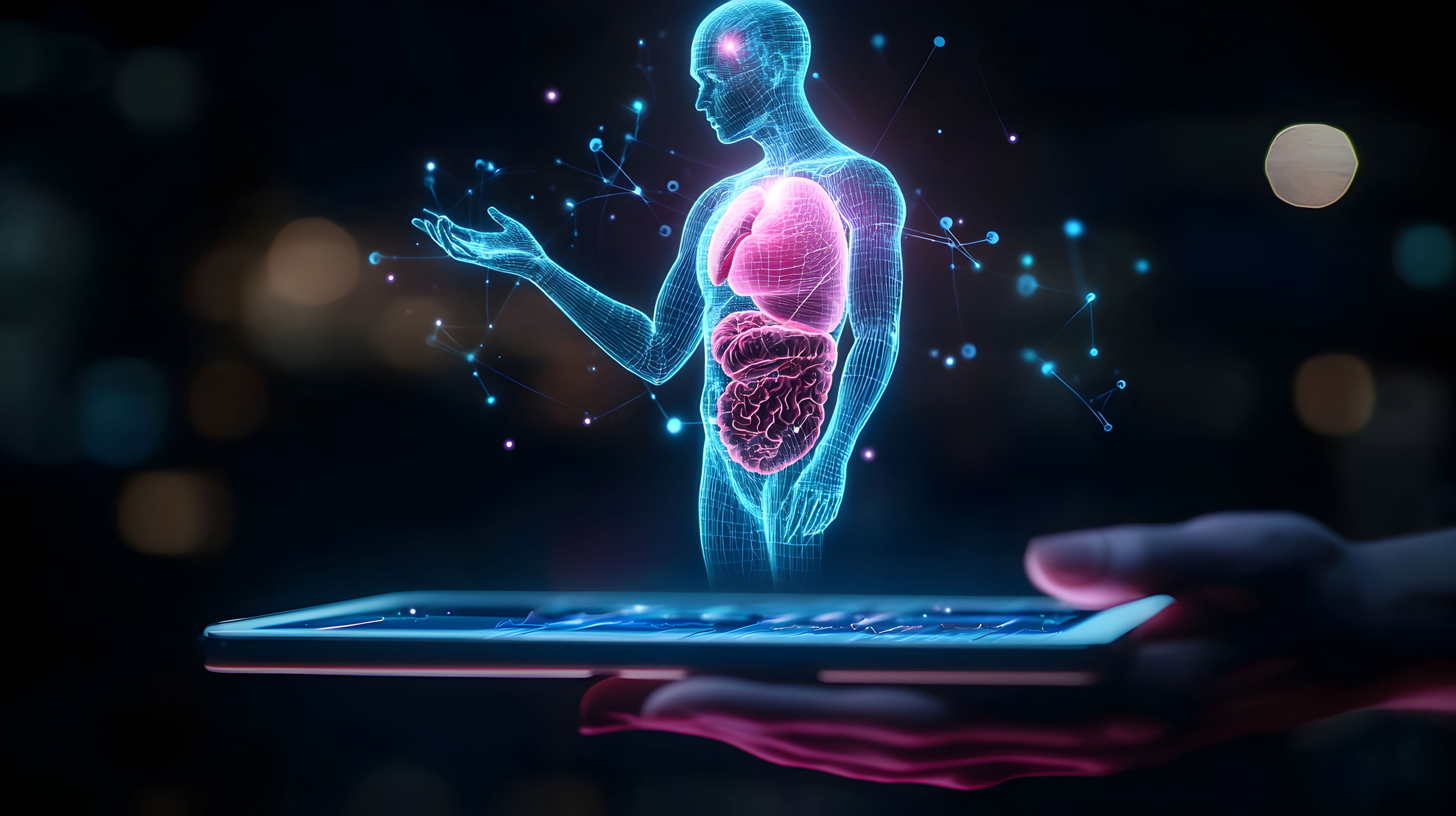
6. Practise Stress-Reduction Techniques – Headspace App for Gut-Brain Calm
Stress elevates cortisol, harming microbiota. Meditate 10 minutes daily. AI Habit: Headspace's AI curates sessions based on stress logs, tying to gut symptoms via journal integration. 2025: Biofeedback for vagus nerve stimulation, easing IBS by 30%.
7. Limit Sugar and Processed Foods – Noom App for Smart Swaps
Excess sugar feeds bad bacteria. Cap at 25g/day. AI Habit: Noom's AI scans labels, suggesting swaps like fruit for candy—tracks impact on bloating.
2025: Microbiome module correlates intake with diversity scores.
8. Eat Mindfully – Chew Slowly with Time AI Apps
Mindful eating aids digestion. Chew 20-30 times/bite. AI Habit: Time AI's 2025 app times bites via phone camera, reminding to slow down—links to reduced reflux 25%.
9. Foster Social Connections – Community Apps for Shared Meals
Social eating boosts serotonin. Eat with others weekly. AI Habit: Nextdoor's AI suggests gut-friendly potlucks, tracking participation for mood lifts.
10. Monitor and Adjust – Microbiome Apps for Personalized Insights
Regular check-ins optimize. Test quarterly. AI Habit: Viome's app analyzes stool data for custom plans—2025's AI predicts imbalances 80% accurately.
Conclusion
These 10 AI-powered gut health tips for 2025—from fiber tracking to sleep syncing—empower a balanced microbiome. As UCHealth affirms, small habits yield big wellness—start today, thrive tomorrow!