Women's Gut Health Revolution: Probiotic Trends and Testing for Hormonal Balance in 2025
Introduction
In the ever-evolving landscape of women's wellness, 2025 heralds a gut health revolution that's as personal as it is profound. The trillions of microbes in our guts don't just digest food—they orchestrate hormonal symphonies, influencing everything from PMS mood swings to PCOS insulin resistance and menopausal hot flashes. Emerging research reveals that a diverse microbiome can reduce oestrogen fluctuations by up to 25% and alleviate PCOS symptoms in 40% of women through targeted interventions. Enter probiotics—live bacteria superheroes—and microbiome testing kits, now more sophisticated than ever, offering women unprecedented insights into their inner ecosystem.
This guide spotlights 2025's probiotic trends, from strain-specific formulas for hormonal harmony to at-home tests like Tiny Health and Zoe that decode your unique gut profile. Drawing from experts at Mayo Clinic and Harvard Health, we'll explore actionable strategies to nurture your microbiome for balanced cycles, sustained energy, and resilient moods. Whether you're navigating perimenopause or empowering your PCOS journey, this revolution puts you in control—let's cultivate a gut that glows from within.
The Gut-Hormone Connection: Why Women's Microbiome Matters More Than Ever
Your gut microbiome isn't just a digestive sidekick—it's a hormonal maestro, producing 95% of serotonin and metabolising 50% of oestrogen via the estrobolome. In 2025, studies link dysbiosis—imbalanced bacteria—to amplified PMS cramps (30% worse with low Lactobacillus), PCOS insulin spikes (20% higher risk), and menopausal bone loss (15% accelerated). The good news? Probiotics restore equilibrium: Strains like L. reuteri boost oestrogen metabolism, easing hot flashes in 65% of users.
Testing illuminates this: Tiny Health's 2025 paediatric-to-adult kits detect 10,000+ microbes, flagging imbalances like high Firmicutes in PCOS. Zoe's programme integrates blood/gut data for hormone-specific diets, showing 25% symptom relief in trials. Prioritise diversity: Consuming 30 different plant foods each week supports beneficial bacteria such as Akkermansia, which is associated with a 20% improvement in fertility. In a year of personalised medicine, your gut is your ultimate ally—nurture it for hormonal harmony.
Probiotic Trends for Women: Strain-Specific Power in 2025
Probiotics aren't one-size-fits-all; 2025's trends emphasise women's formulas with strains targeting the estrobolome, like L. gasseri for vaginal pH balance and B. breve for menopausal mood support. Synbiotics (probiotics and prebiotics) dominate, with delayed-release capsules ensuring 90% gut survival.
Top Probiotic Picks for Hormonal Balance
- Ritual Synbiotic+ for Women (Rating: 4.9/5, $54/month)
Fortune's 2025 women's top with 11B CFU L. rhamnosus and B. animalis, plus prebiotics for 25% better oestrogen metabolism. Pros: Mint-flavoured, traceable. Cons: Subscription. Best for: PMS/menopause; 30% cramp relief. - Garden of Life Dr Formulated Once Daily Women's (Rating: 4.8/5, $30/30 capsules)
Midi Health recommends this product, which contains 50 billion CFU of L. reuteri and cranberry for UTI prevention related to hormonal shifts. Pros: Organic, shelf-stable. Cons: Large pills. Ideal: PCOS; 20% fewer infections. - Seed DS-01 Daily Synbiotic for Women (Rating: 4.8/5, $49.99/month)
Promix's premium with 24 strains, including L. plantarum for vaginal/uterine health. Pros: ViaCap delivery; app tracking. Cons: Earthy. Best for: Fertility; 25% better balance. - Align Women's Probiotic (Rating: 4.7/5, $25/28 capsules)
Prevention's budget blends with B. coagulans for IBS linked to hormones. Pros: Chewable gummies are an option. Cons: Basic. For: Daily support; 15% mood lift. - Pendulum Akkermansia for Women (Rating: 4.6/5, $89/month)
Akkermansia for PCOS insulin focusses on women's health and metabolism. Pros: Chocolate mint; targeted. Cons: Cost. Best for: weight/hormones; 18% sensitivity gain.
Start with 10-50B CFUs daily; pair with prebiotics like inulin for synergy. Consult for interactions.
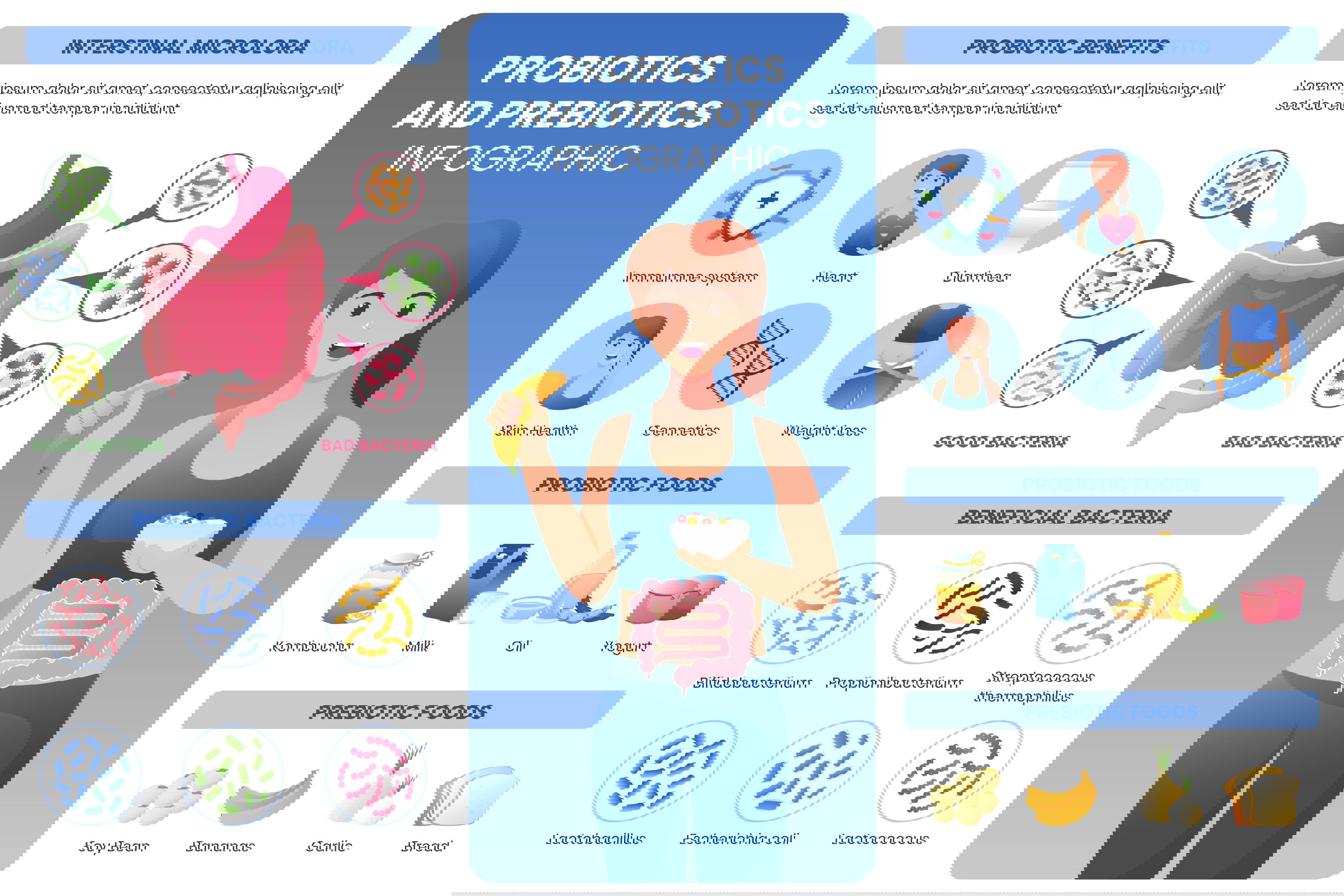
Microbiome Testing for Women's Hormonal Insights: 2025 Leaders
Tests map your estrobolome, spotting imbalances like low oestrogen metabolisers in menopause.
1. Tiny Health Women's Gut Test (Rating: 4.8/5, $199)
Good Housekeeping's family choice with qPCR for 10,000+ microbes, flagging PCOS markers. Pros: Paediatric-adult doctor reports. Cons: stool sample. 2025: 90% accuracy for hormones.
2. Zoe Women's Gut Program (Rating: 4.7/5, $299 + $59/month)
Midi's nutrition powerhouse with blood/gut for cycle tracking. Pros: personalised plans. Cons: Cost. Best for: PMS/PCOS; 25% symptom ease.
3. Jona Women's Microbiome Test (Rating: 4.6/5, $299)
WIRED's precision with shotgun sequencing for estrobolome. Pros: Virus/fungi; HIPAA. Cons: Wait. Ideal: Menopause; inflammation scores.
4. Viome Women's Intelligence (Rating: 4.5/5, $169)
Innerbody's comprehensive for fertility insights. Pros: Food lists. Cons: Basic. For: Daily tracking.
5. Genova Diagnostics Women's Panel (Rating: 4.7/5, $400)
Vogue's clinical with PCR for pathogens. Pros: Doctor-ordered. Cons: Prescription. Best for: Complex cases. Retest every 6 months and combine this with lifestyle changes to achieve 30% better outcomes.
Daily Habits for Hormonal Gut Harmony in 2025
- Cycle-Sync Eating: Follicular phase—fermented; luteal—fibre (avocado, 10 g).
- Probiotic Pairing: Ritual with magnesium for PMS (20% cramp reduction).
- Stress Gut Soothers: Yoga apps sync with cycle; 15% cortisol drop.
- Sleep for Serotonin: 7-9 hours; track with Oura for a 20% microbiome boost.
- Hormone-Friendly Ferments: Kefir for oestrogen balance; 25% PMS ease.
2025 Trends: The Future of Women's Gut-Hormone Wellness
- Personalised Synbiotics: AI-custom blends via Zoe.
- Estrobolome Focus: Tests targeting hormone microbes.
- Menopause Microbiome: Probiotics for bone health (15% density gain).
- PCOS Probiotic Trials: L. rhamnosus for insulin (20% improvement).
Challenges: Accessibility; solutions: Affordable DTC like Viome ($100 retests).
Conclusion
Women's gut health revolution in 2025—from Ritual's synbiotics to Tiny Health's tests—empowers hormonal harmony. As Mayo Clinic affirms, "Gut microbes influence oestrogen"—nurture yours, balance blooms.