Black Interiors: Creating Sophisticated Home Spaces in 2026
In February 2026, as Dhaka's evenings cool and homes seek refuge from the day's bustle, black interiors emerge as a bold yet profoundly sophisticated choice. Far from making spaces feel dark or oppressive, black—when layered thoughtfully—creates intimate, luxurious sanctuaries that exude quiet confidence and timeless elegance. Designers in 2026 celebrate black not as a fleeting trend but as a statement of luxury, often favouring warm, espresso-tinged shades like Benjamin Moore's "Silhouette" or Krylon's "Coffee Bean" for their cosy depth. This approach counters the all-white farmhouse era, embracing moody, textured darkness that feels grounding and personal. Black absorbs light gently, reduces visual noise, and fosters calm—perfect for creating focused, restful environments amid urban life.
The Psychological Appeal: Why Black Feels Luxurious and Calming
Black interiors tap into powerful psychology. The colour promotes introspection, emotional containment, and serenity by muting distractions and creating a "visual quiet". Darker tones like black can surprisingly calm the mind, offering a cocoon-like effect that supports focus, creativity, and relaxation—ideal for high-stress lifestyles. In feng shui, black links to the water element, evoking contemplative depth and cleansing energy.
Black signals sophistication and authority, much like in fashion: it grounds spaces, highlights textures and accents, and projects unshakeable elegance. When balanced with light elements, it feels expansive rather than heavy—inviting reflection without overwhelm. For many, black interiors become wellness havens: stable, introspective spaces that encourage inner peace.
Key Principles for Sophisticated Black Interiors in 2026
To avoid heaviness, designers emphasise balance, texture, and light:
- Layer Textures — Matte black walls absorb light softly; pair with glossy accents, velvet upholstery, or wood grains for depth.
- Incorporate Light and Contrast — Large windows, mirrors, metallic finishes (gold, brass), or cream/beige furniture prevent cave-like feelings.
- Warm Undertones — Opt for espresso or charcoal-black over pure jet for cosiness.
- Strategic Placement — Use black on accent walls, cabinetry, or furniture rather than full rooms unless the space is well-lit.
- Natural Materials — Walnut, blackened oak, stone, and textiles add warmth and tactility.
Matte finishes dominate for gentle absorption, while visible wood grains and layered lighting create atmospheric richness.
Living Room: Moody Elegance Meets Comfort
Black living rooms in 2026 feel like modern lounges—dramatic yet inviting. Paint walls in deep charcoal, add a plush sectional in neutral tones, and layer with textured rugs, wooden side tables, and metallic lamps. A stone fireplace or large art piece becomes a focal point against the dark backdrop.
Gold or brass accents add warmth; plants and natural light soften edges. This setup creates a sophisticated retreat for evenings—perfect for Dhaka's transitional weather.
Kitchen: Sleek Luxury with Practical Edge
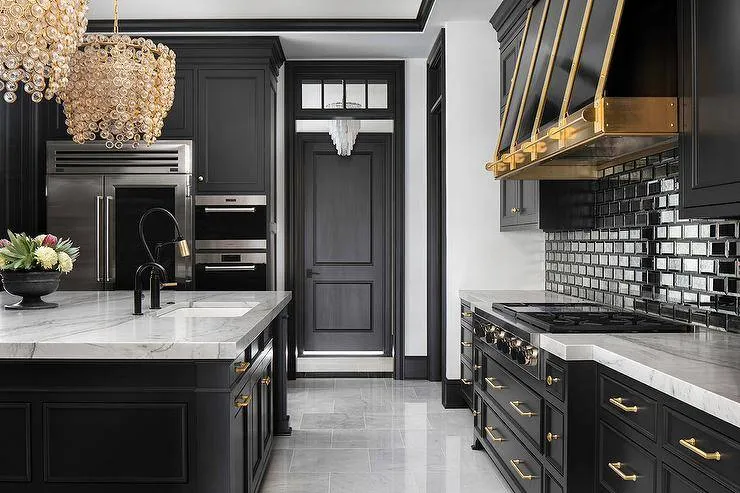
Black kitchens exude high-end drama. Matte black cabinets paired with marble or quartz countertops, gold hardware, and open shelving create timeless appeal. Black tile backsplashes or islands ground the space; pendant lights and metallic faucets add shine.
Warm black shades feel approachable yet bold—ideal for modern homes. Balance with light flooring or bar stools to keep it airy.
Bedroom: Intimate, Moody Retreat
Black bedrooms promote deep rest. Dark walls or panelled headboards cocoon the space; layer with plush bedding in neutrals, velvet throws, and soft lighting. Mirrored accents or large windows reflect light, preventing claustrophobia.
Jewel tones or fur textures add richness; this setup fosters serenity and sensuality.
Home Office: Focused, Professional Sanctuary
Black offices boost productivity through reduced distractions. Matte black desks, walls, or shelving create grounded focus; pair with ergonomic black chairs, plants, and task lighting.
Metallic accents and open shelving add interest; this palette projects quiet authority.
Tips for Success in Dhaka Homes
In humid, urban settings like Dhaka, prioritise ventilation, dehumidifiers, and matte paints to avoid starkness. Start small—black accent walls or furniture—then expand. Black interiors endure because they adapt: they are timeless, low-maintenance, and emotionally grounding.
Black isn't about darkness—it's about depth. In 2026, it transforms ordinary homes into sophisticated havens of calm luxury, proving elegance often thrives in shadows.