From Goth to Chic: The Evolution of Black in Fashion
From Goth to Chic: The Evolution of Black in Fashion Black in fashion has undergone one of the most dramatic transformations in sartorial history—from a symbol of mourning, rebellion, and gothic subculture to the epitome of modern chic, minimalism, and quiet luxury. In February 2026, as Dhaka's evenings carry a crisp edge and global runways mix bold colours with enduring monochromes, all-black outfits remain a dominant force. Despite Gen Z's flirtation with brighter palettes like cherry reds, hot pinks, and chartreuse greens, black's versatility keeps it central—evolving from dark, dramatic roots to sophisticated, effortless elegance. This journey traces black's path through centuries, subcultures, and contemporary trends, revealing why it endures as fashion's most adaptable hue.
Ancient and Medieval Roots: Symbolism and Status
Black's fashion story begins long before gothic aesthetics. In ancient civilisations like Egypt, black garments signified power for priests and royalty, often tied to fertility, the afterlife, and protection. By the Middle Ages, black emerged as a luxury colour in Europe—expensive dyes made true black rare and reserved for aristocracy and clergy.
In the late Renaissance (15th-16th centuries), black became a marker of power and sobriety. Spanish court fashion favoured deep black accented with gold, while Protestant Reformation influences turned it into a symbol of restraint against Catholic opulence. Sumptuary laws limited vibrant colours, making black a subtle status signal for the rising middle class. Portraits from the era, like Jan van Eyck's Arnolfini Portrait (1434), showcase black as dignified and authoritative.
Victorian Mourning to the Little Black Dress: From Grief to Glamour
The 19th century cemented black's association with mourning, especially after Queen Victoria's prolonged grief following Prince Albert's death in 1861. Strict mourning protocols dictated full black wardrobes for years—luxurious yet restrained fabrics like crepe and bombazine made black dignified for middle- and upper-class women. This era turned black into a fashionable choice beyond funerals: elegant evening gowns and accessories highlighted its sophistication.
The shift to chic modernity came in the 1920s with Coco Chanel's little black dress (LBD). Introduced in 1926 and dubbed "Chanel’s Ford" by Vogue for its accessibility, the LBD democratised black—transforming it from mourning attire to a versatile, empowering staple for women of all classes. Inspired by working-class uniforms yet elevated to haute couture, it embodied simplicity, elegance, and rebellion against ornate pre-war styles.
Post-WWII, designers like Christian Dior introduced dramatic silhouettes in black, while the 1950s beatniks adopted slim black fits with berets for countercultural cool. Black's postwar evolution blended sophistication with subtle defiance.
Subcultures and Rebellion: Punk, Goth, and Beyond
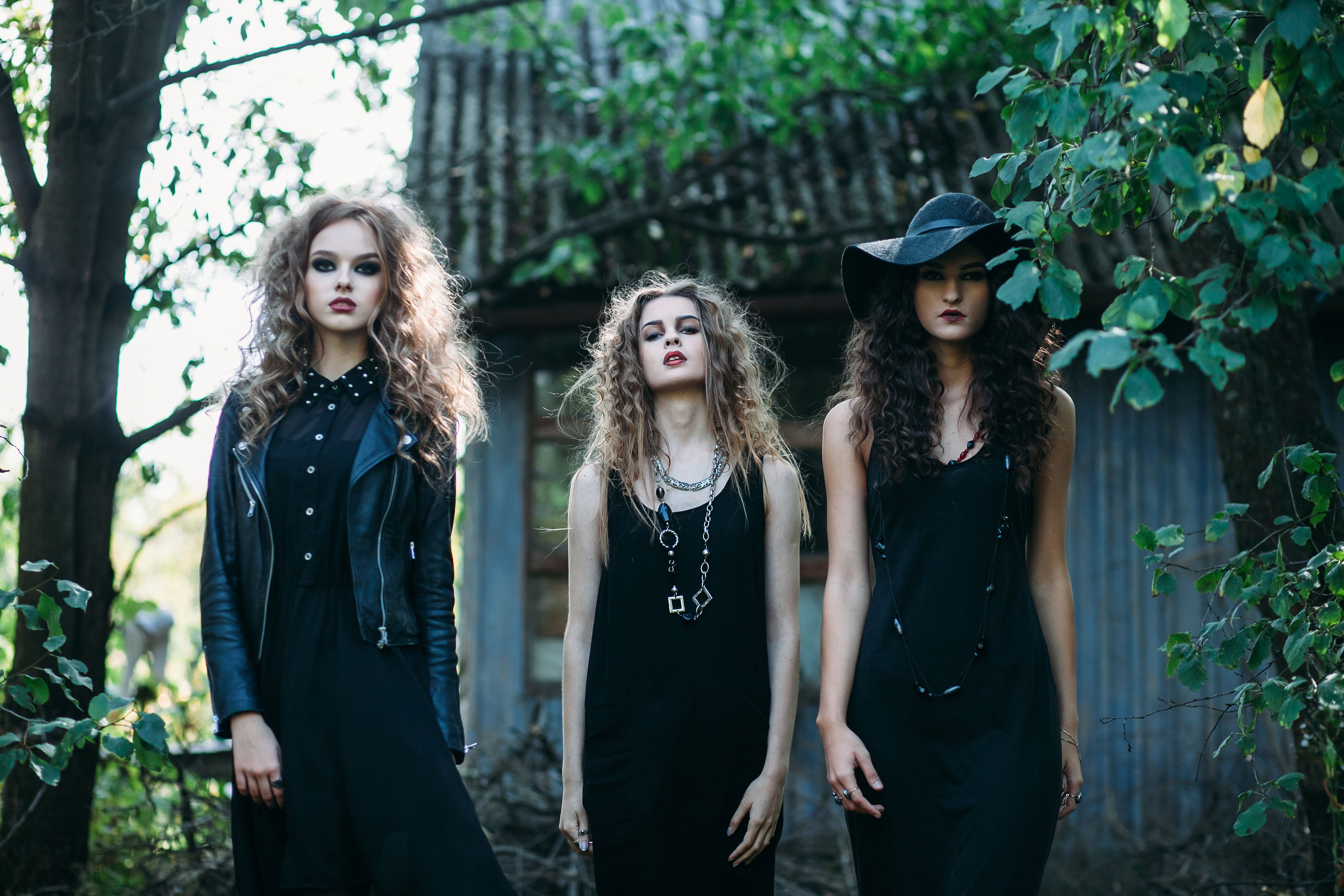
The late 20th century saw Black reclaim its dark, rebellious edge through subcultures. Punk in the 1970s used black leather, studs, and PVC for anti-establishment statements. The 1980s goth movement—born from post-punk bands like Bauhaus and Siouxsie and the Banshees—embraced black as an ethos: mystery, mourning, power, and the unknown. Victorian-inspired lace, velvet, corsets, and dramatic silhouettes defined goth fashion, with black as the unifying thread.
Goth evolved into variants like cyber goth, romantic goth, and health goth (blending sportswear with dark elements in the 2010s). Black became synonymous with alternative identity—rejecting mainstream norms while celebrating darkness as beautiful. In the 1990s and 2000s, black permeated streetwear, hip-hop, and high fashion, from Yohji Yamamoto's avant-garde draping to Raf Simons' moody teen aesthetics.
Modern Minimalism and Quiet Luxury: Black as Chic Uniform
By the 2010s-2020s, black shifted toward minimalist chic. Quiet luxury emphasised high-quality, timeless black pieces—tailored suits, cashmere knits, leather jackets—prioritising subtlety over flash. All-black outfits became the ultimate neutral: slimming, practical, and eternally elegant.
In 2026, black thrives amid brighter trends. Winter wardrobes favour textured monochromes—matte wool with glossy leather, plush faux fur accents, and sheer details—for depth without colour. Vogue and Marie Claire showcase all-black as "anything but basic", with editors curating funnel-neck coats, blazers, and midi dresses from Zara, H&M, and Nordstrom. Street style mixes proportions: oversized coats over fitted bases and wide-leg trousers with cropped tops.
Even as Gen Z experiments with colour clashing, black anchors wardrobes—sustainable, versatile, and psychologically grounding. It offers authority in professional settings, mystery in social ones, and confidence through restraint.
Styling the Evolution Today
To channel Black's journey:
- Goth Edge — Leather, lace, velvet; add studs or chokers for drama.
- Victorian Romance — High collars, flowing skirts, subtle embellishments.
- Chanel Chic — Sleek LBD or tailored suit; minimal accessories.
- Modern Minimal — Texture play (matte + glossy); balanced proportions.
Black's evolution—from gothic gloom to chic sophistication—mirrors societal shifts: mourning to empowerment, rebellion to refinement. In 2026, it remains fashion's constant: adaptable, powerful, and profoundly alluring.