Science and Philosophy—Ethics of AI, Biotech, and More in 2025
Introduction
In 2025, the convergence of science and philosophy reaches a crescendo, as breakthroughs in artificial intelligence (AI) and biotechnology propel humanity into uncharted ethical territories. What was once the domain of speculative thought experiments—from Turing's imitation game to Frankenstein's hubris—now manifests in real-world dilemmas: AI algorithms deciding medical treatments, CRISPR editing embryos, and neural implants blurring human-machine boundaries. As AI is projected to generate $350-410 billion annually for pharmaceuticals by year's end, driven by drug discovery innovations, the ethical imperative to balance progress with humanity has never been more urgent.
This reflection, informed by 2025's discourse from forums like the Athens Democracy Forum to IEEE surveys, dissects the ethics of AI and biotech, extending to broader "and more" frontiers like quantum computing's societal risks. We'll explore philosophical underpinnings—from utilitarianism's greatest beneficial principles to deontology's categorical imperatives—against practical challenges like bias and consent. In an era where shared accountability demands robust human oversight, as highlighted in tech leaders' predictions, science's promise must be tempered by philosophy's wisdom.
Participate in this conversation at the intersection of innovation and integrity, where the tools of the future necessitate the ethics of today.
Philosophical Foundations: Ethics as the Compass of Scientific Progress
Philosophy provides the moral scaffolding for science's edifice, interrogating "ought" amid the "is" of discovery. Utilitarianism, Jeremy Bentham's calculus of pleasure over pain, underpins AI's cost-benefit analyses in biotech—maximizing lives saved via personalized medicine. Nevertheless, deontology, Kant's duty-based imperatives, challenges utilitarian trade-offs, insisting on universal rights like informed consent in gene editing.
According to IBM's Global Trustworthy AI leader Phaedra Boinidiris, virtue ethics, which is Aristotle's way of building character, will become more popular in AI governance by 2025. This will lead to "trustworthy AI" cultures. Existentialism, Sartre's freedom in absurdity, resonates in biotech's human augmentation debates: Do neural links erode authenticity? These lenses frame ethics not as constraints but as guides, ensuring science serves humanity holistically.
Ethics of AI: From Algorithmic Bias to Existential Risks
AI's 2025 ethics landscape, per Dentons' trends report, emphasizes regulation, governance, and transparency amid a 30% rise in AI-discovered drugs. Philosophical tension: Consequentialism weighs AI's $410B pharma boon against harms like biased diagnostics—algorithms misdiagnosing minorities 20% more, per NIH studies.
Bias and Fairness: The Utilitarian Dilemma
AI's "black box" opacity echoes Plato's cave—shadows for truths. In biotech, biased training data perpetuates disparities: Facial recognition errors in darker skin tones reach 34%, per Joy Buolamwini, risking unequal drug trials. Virtue ethics calls for diverse datasets, as IEEE's 2025 survey demands ethical skills in 50% of tech hires. Solutions: Explainable AI (XAI), like IBM's frameworks, mandates transparency, aligning with Kantian universality.
Privacy and Autonomy: Deontology in the Data Age
AI's voracious data appetite—pharma's 2025 AI boom analyzes genomes for $350B gains—raises surveillance fears. Existentialists, such as Habermas, criticize the commodification of individual identities; while the GDPR's 2025 expansions aim to enforce consent, biotech's direct-to-consumer kits circumvent these regulations, according to Medium's ethical review. Philosophical fix: Relational autonomy, prioritizing community consent in indigenous genomic studies.
Case: AUC's Laila Khalifa at the 2025 Athens Forum discussed AI's democratic threats, advocating ethical AI for equitable biotech access.
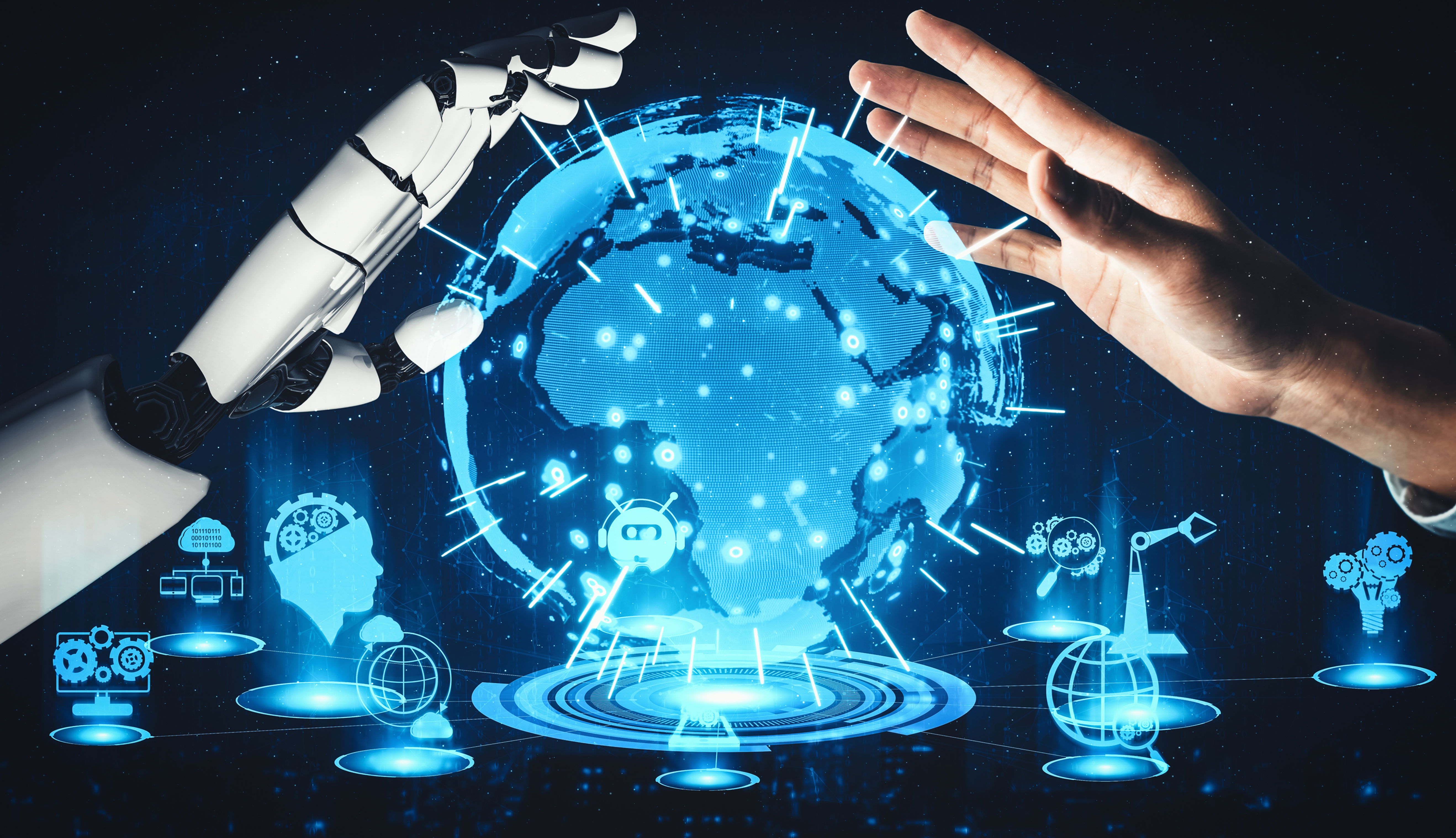
Ethics of Biotechnology: Life's Code and Moral Frontiers
Biotech's 2025 renaissance—CRISPR babies, organoids—revives Mary Shelley's Promethean warnings: Who plays God?
Gene Editing and Human Dignity: The Deontological Debate
CRISPR-Cas9's precision editing, Nobel-winning since 2020, promises cures but risks "designer babies." Utilitarianism justifies germline edits for disease eradication; deontology invokes sanctity of life, per NIH's 2025 ethical considerations. Virtue ethics questions character: Does enhancement erode humility? He Jiankui's 2018 scandal, revisited in 2025 trials, underscores informed consent's fragility.
Synthetic Biology and Existential Autonomy
Lab-grown meat and organs, per Bernard Marr's 2026 preview, challenge identity—cyborg ethics query human essence. Sartre's bad faith warns against inauthentic augmentations; 2025's ICRC report on AI in detention extends to biotech surveillance, demanding humane oversight.
Case: GIMS's 2025 talk on "Algorithmic Management’s Ethical Dilemmas" parallels biotech's HR-like gene selection.
Broader Horizons: Ethics in Quantum, Climate Tech, and Beyond
Quantum computing's 2025 "Q-Day" risks breaking encryption, per Dentons, raising privacy apocalypses—utilitarianism vs. the precautionary principle. Climate tech's geoengineering, like solar shields, invokes intergenerational justice—Rawls' veil of ignorance demands equity for the unborn.
The 2025 seminar at Harvard's Safra Center on Bernard Williams's essays looks into these issues, with a focus on moral luck in the unintended effects of technology.
2025 Trends: Toward Ethical Innovation
Dentons' January forecast predicts global AI norms minimizing risks, with human oversight in 70% of frameworks. Biotech's Paris AI Summit 2025 emphasizes patient-centric ethics, per PeopleTech. IEEE's survey covets ethics skills, signaling a virtuous shift.
Challenges: Enforcement gaps; solutions: Blockchain audits for AI decisions.
Case Studies: Ethics in Action
- AI in Clinical Trials: Binah.ai's 2025 panel on patient-centric ethics highlights real-world data's privacy pitfalls.
- Oxford Accelerator Fellowship: 2025's £2,000 stipend fosters AI ethics leaders, per OpportunityDesk.
Conclusion
Science and philosophy's 2025 dance—AI's promise, biotech's peril—demands ethical grace. As Boinidiris predicts, governance evolves with tech; heed Williams: Moral philosophy guides, but character decides. Innovate responsibly—the future watches.