Cultural Color Meanings: From Dhaka Streets to Global Trends
Colours are more than visual elements; they are powerful cultural symbols that shape identity, emotion, and tradition. In Dhaka, Bangladesh's bustling capital, colours pulse through everyday life—from the vivid rickshaw paintings adorning narrow lanes to the red-and-white sarees during festivals and the national flag's green field with its red circle. These hues tell stories of history, resilience, nature, and spirituality. Globally, the same colours shift dramatically: red might signal danger in one culture and luck in another, while green evokes envy or prosperity depending on context.
This exploration begins in Dhaka, drawing from local traditions, Bengali folk art, festivals, and national symbols, then expands to worldwide interpretations. We tie it to 2026 trends, where bold reds and earthy neutrals dominate, reflecting a global craving for grounded passion amid uncertainty. Understanding these meanings fosters cultural sensitivity in design, fashion, art, and communication.
Colors on Dhaka's Streets: A Living Canvas
Dhaka's streets are a riot of colour, especially in its iconic rickshaws—UNESCO-recognised intangible heritage since 2023. These hand-pulled vehicles serve as rolling galleries, painted with vibrant floral patterns, birds, animals, historical scenes, national heroes, and movie stars. Bright reds, yellows, greens, blues, and oranges dominate, creating a moving folk art tradition that embodies urban energy and shared identity.
Rickshaw painters—mostly men, though women contribute—use bold primaries and secondaries for visual impact in crowded traffic. Red often features prominently for drama and celebration, green for nature and hope, and yellow for joy. These colours connect riders and viewers to Bangladesh's cultural continuity amid rapid urbanisation.
Traditional costumes reinforce this. Studies on Bangladeshi indigenous costume colours identify seven key hues: red, white, green, yellow, orange, reddish-orange, and orange-yellow. Red stands out as dominant (100% consensus in surveys), symbolising passion, vitality, power, and auspiciousness. White follows closely (around 82-83%), representing purity, innocence, simplicity, and new beginnings. Green ties to vegetation and hope, and yellow to joy and celebration.
In Bengali folk art—shared with neighbouring regions—red embodies shakti (power) and celebration, often as motifs for weddings or rituals. These colours revitalise cultural heritage, blending tradition with modern revival.
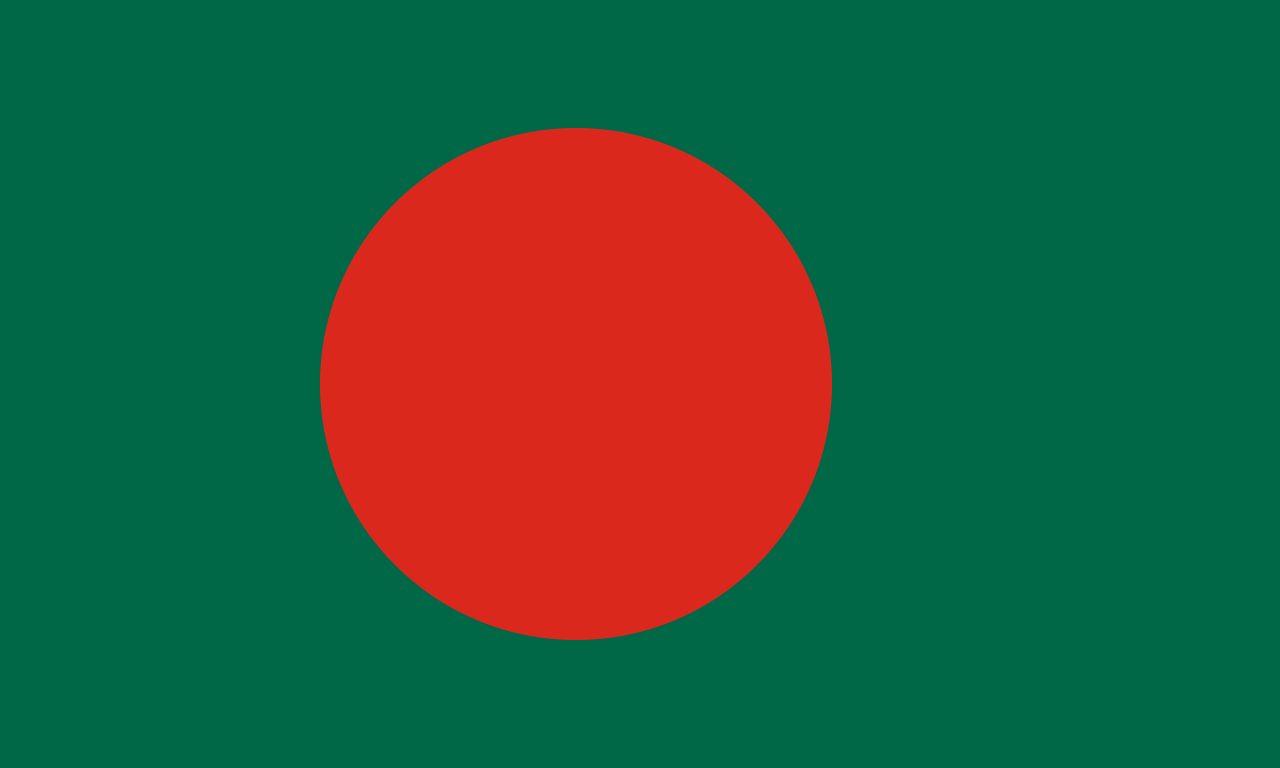
The National Flag: Red and Green as Core Symbols
Bangladesh's flag—a dark green field with a large off-centred red circle—encapsulates national identity. Green symbolises lush vegetation, agricultural richness, hope, prosperity, and youth. It reflects Bengal's fertile deltas, rivers, and forests, including the Sundarbans mangrove. Red represents the blood of martyrs from the 1971 Liberation War, bravery, sacrifice, and the rising sun of independence.
This duo—red and green—is inseparable in Bangladeshi consciousness. Songs like "Purbo digonte, shurjo utheche, rokhto laal" (The sun rises in the east, blood red) link red to uprising and glory. Green evokes peace and natural abundance. Together, they define patriotism, appearing in rallies, homes, and currency.
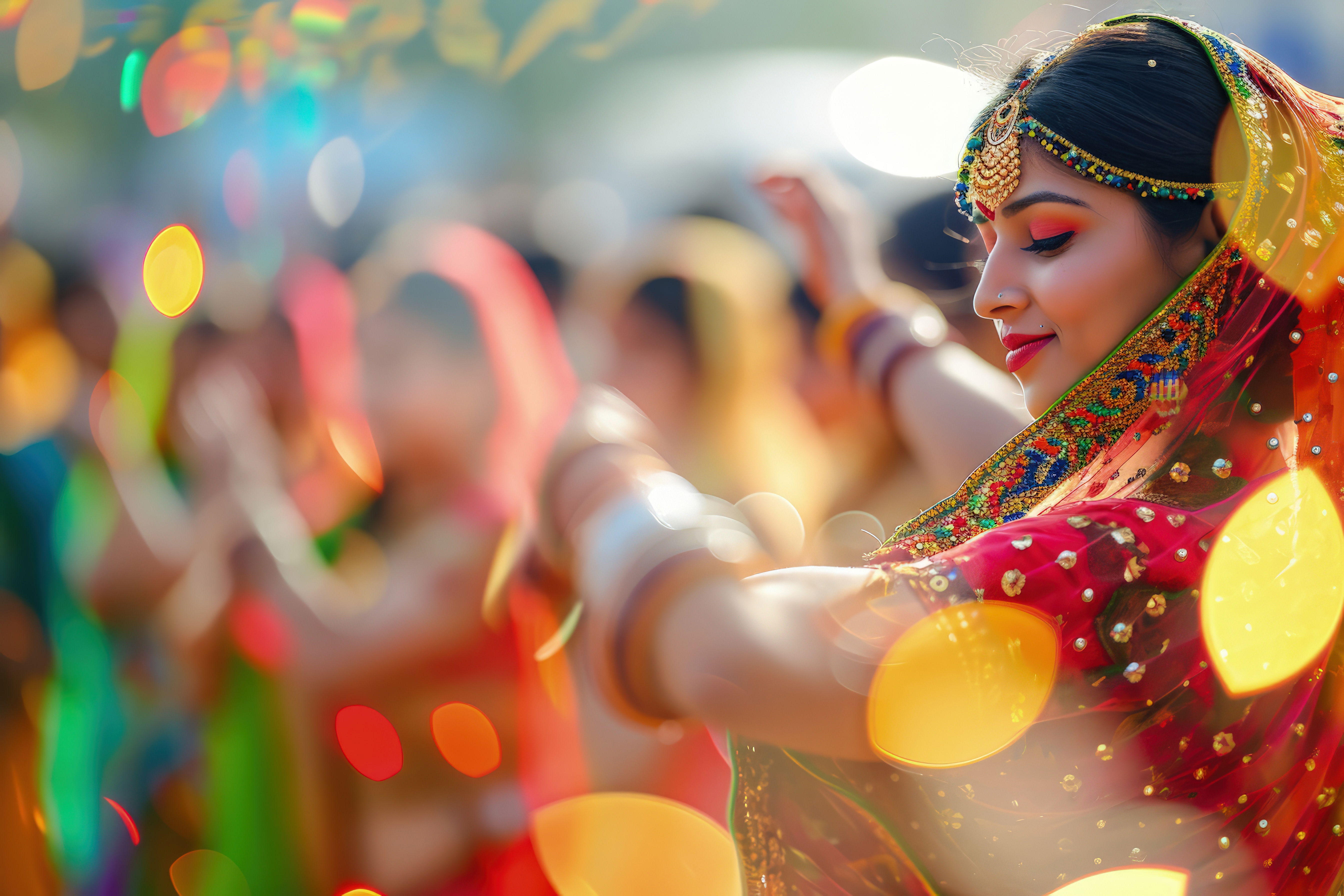
Festivals and Everyday Symbolism in Dhaka
Durga Puja, celebrated vibrantly in Dhaka's Bengali community, highlights red and white. Married women wear lal-paar sada sarees—white with bold red borders—symbolising purity (white) adorned with shakti/power (red). The red borders honour Goddess Durga's strength; the white reflects peace and devotion. Pandals glow with these hues, flowers (red for passion, white for respect), and decorations.
In weddings and rituals, red sarees signify fertility, love, and marital bliss. White flowers (shapla, lotus) denote purity and condolence. Yellow/orange brings joy and friendship; pink, gratitude. Flower meanings reinforce: red for romantic love, white for purity/respect, and yellow/orange for celebration.
In daily life, colours carry emotional weight—red for rebellion and vitality, and green for a calm connection to nature.
Global Color Meanings: Variations and Contrasts
Colours transcend borders, but meanings shift dramatically.
Red
- In Bangladesh/India: Passion, power, auspiciousness, fertility, celebration (brides wear red).
- Western cultures: Love, passion, danger, excitement, stop signs.
- China: Luck, prosperity, happiness (weddings, New Year).
- South Africa: Mourning.
- Global: Often high-arousal—positive (love) or negative (anger).
White
- Bangladesh/Bengali: Purity, innocence, new beginnings, peace (funerals/condolences too).
- Western: Purity, weddings, innocence.
- East Asia (China/Japan): Mourning, death.
- India: Purity but also widowhood in some traditions.
Green
- Bangladesh: Lush nature, hope, prosperity, youth (flag).
- Western/Islamic: nature; growth, envy (jealousy).
- China: Infidelity (green hats for cuckolded men).
- Ireland: National pride, luck.
Yellow
- Bangladesh: Joy, celebration, friendship.
- Western: Happiness, caution, cowardice.
- France: Jealousy, betrayal.
- Egypt: Mourning.
Blue
- Global: Trust, calmness, sadness ("feeling blue").
- Western: Safety, corporate reliability.
- Iran: Mourning.
- Hinduism: Spirituality (Krishna).
Black
- Western: Mourning, death, sophistication.
- Africa/China: Maturity, rebirth.
- Positive power in some contexts.
These differences stem from history, religion, nature, and language. Red's passion links to blood/fire universally, but context shapes positivity/negativity.
2026 Global Trends: Bold Reds and Earthy Neutrals Meet Cultural Depth
In 2026, colour trends reflect cultural moods, grounding uncertainty and bold expression post-restraint. Earthy neutrals (khakis, umbers, and taupes) provide stability, echoing Bangladesh's green/nature ties but warmer. Bold reds (burgundies, mahoganies, and poppy reds) inject passion and vitality, aligning with Dhaka's red symbolism of sacrifice and energy.
WGSN names "Transformative Teal" Colour of the Year—blending blue calm with green renewal and transformative growth. Pantone's "Cloud Dancer" (serene off-white) offers purity/reset. Pinterest predicts vivid hues: Cool Blue, Jade, Plum Noir, Wasabi, and Persimmon—bold yet nature-inspired.
Fashion runways feature poppy red, chartreuse green, vibrant purple, and canary yellow—a loud luxury backlash against quiet minimalism. Interiors favour moody earth tones with jewel accents and a cultural revival through authenticity.
In the Dhaka context, 2026 trends resonate: bold reds revive passion/heritage, and earthy neutrals are grounded in nature/flag green. Global palettes blend universal symbolism with local nuance—red for empowerment, green for hope.
Designers use this inspiration for inclusive palettes: red accents on neutral bases evoke energy without aggression.
Bridging Dhaka to the World
Dhaka's colours—red for resilience, green for hope—echo global themes of vitality and renewal. As 2026 embraces bold yet grounded palettes, cultural meanings enrich modern applications.
Colours connect us: a Dhaka rickshaw's vivid red might inspire a global fashion accent, or flag green inform sustainable design. Understanding these layers promotes empathy and creativity.
In Dhaka streets or worldwide trends, colours tell human stories—passion, purity, hope, sacrifice. Embrace them mindfully for richer, more connected lives.