
Ever disagreed with someone about the exact shade of a color? Discover the surprising science behind why two people can look at the same object and genuinely see different colors — from individual differences in cone cells and genetics to the brain’s role in color constancy and the famous #TheDress illusion.
Read MoreBlog #the dress illusion
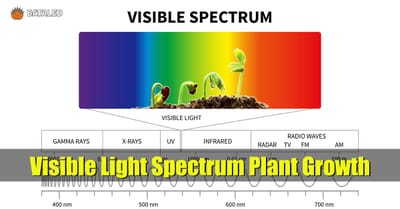
Red feels bold, energetic, and unmistakable—yet it’s not an inherent property of objects. Discover the physics of light wavelengths, how a red apple reflects specific waves while absorbing others, and the biological role of your L-cones and brain in creating the vivid sensation of red. A beginner-friendly dive into why we see color at all.
Read More
Discover the astonishing biology behind color vision. Learn how just three types of cone cells in your retina, combined with clever neural processing, let you experience millions of colors — and why color is more illusion than reality.
Read More