
Discover how color science makes vibrant screens and accurate prints possible. Learn about the exciting technology that keeps colors looking the same and accurate on different devices and in print, from how digital screens use additive RGB mixing (like OLED and Quantum Dots) to how printing uses subtractive CMYK, along with the important roles of CIE color spaces and ICC profiles.
Read MoreBlog #additive color mixing
Your phone, TV, and laptop screen can display millions of vibrant colors using just three: red, green, and blue. Discover the fascinating science of additive color mixing, how tiny RGB subpixels work together to trick your eyes, and why this system perfectly matches human vision.
Read More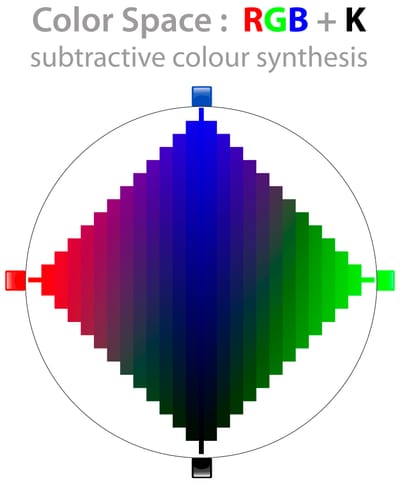
Discover the simple difference between additive and subtractive color mixing. Learn why your phone screen uses red, green, and blue (RGB) to create bright colors, while printers use cyan, magenta, and yellow (CMY/CMYK)—and why mixing paints and mixing lights behave completely differently.
Read More