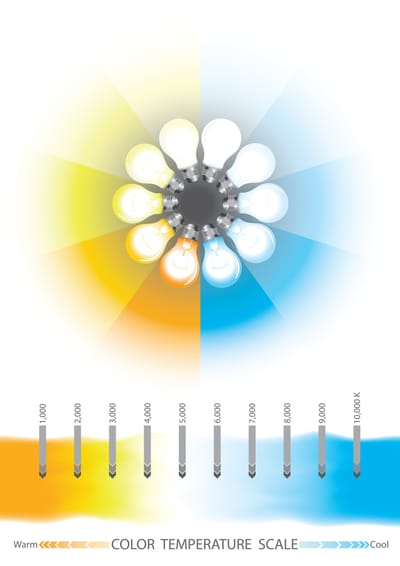
Learn how color temperature (Kelvin) affects the mood of your space and why CRI (Color Rendering Index) determines how accurately colors appear. This practical guide helps you choose the perfect lighting for homes, offices, photography, art, and retail—so colors look natural, vibrant, and true.
Read MoreBlog
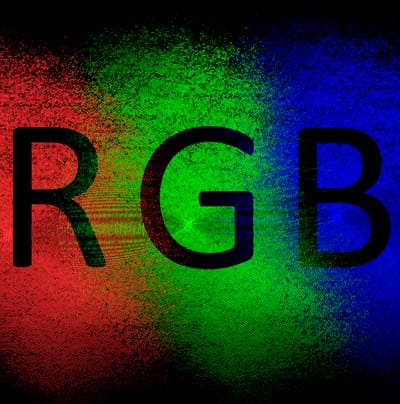
Your phone, TV, and laptop screen can display millions of vibrant colors using just three: red, green, and blue. Discover the fascinating science of additive color mixing, how tiny RGB subpixels work together to trick your eyes, and why this system perfectly matches human vision.
Read More
A practical, system-focused guide to the most common color palette mistakes, with clear fixes, tests, and workflows for better design decisions.
Read More
A deep, practical list of the most common color mixing mistakes artists make, plus clear fixes for cleaner, brighter, more repeatable mixes.
Read More
A practical tip list covering the 25 most common color mixing errors and clear, repeatable fixes for cleaner, more believable color in any medium.
Read More
A detailed tip list of the most common color mixing mistakes and practical fixes for cleaner, more accurate, repeatable color results.
Read More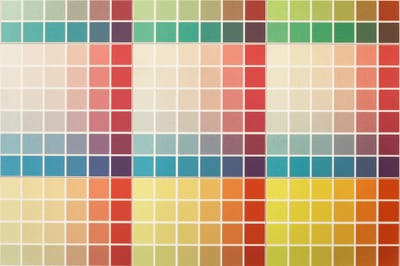
A practical, in depth list of 15 essential color palette rules for building harmonious, accessible, consistent design systems across digital and print.
Read More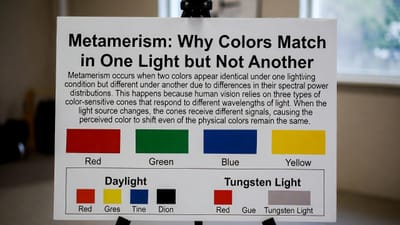
Have you ever matched two colors perfectly in the store, only to see them look completely different at home? That’s metamerism at work. Discover why certain colors that appear identical under one light source can look strikingly different under another, the role of spectral power distributions, and how this phenomenon affects design, printing, photography, and everyday life.
Read More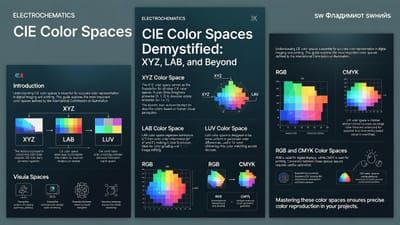
Confused by color spaces like CIE XYZ and CIELAB? Discover how the International Commission on Illumination (CIE) created the first device-independent color systems in 1931, why XYZ became the foundation of modern color science, and how LAB makes color perception more human-friendly. A clear, beginner-to-intermediate guide to the backbone of accurate color reproduction.
Read More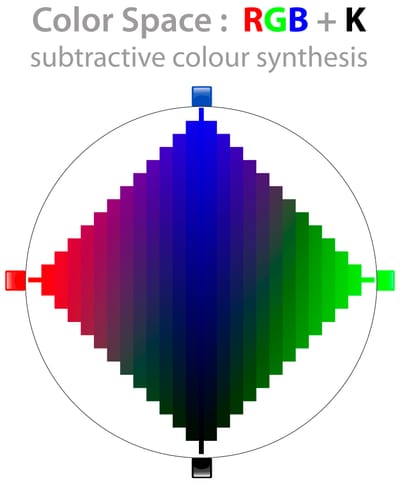
Discover the simple difference between additive and subtractive color mixing. Learn why your phone screen uses red, green, and blue (RGB) to create bright colors, while printers use cyan, magenta, and yellow (CMY/CMYK)—and why mixing paints and mixing lights behave completely differently.
Read More
Red feels bold, energetic, and unmistakable—yet it’s not an inherent property of objects. Discover the physics of light wavelengths, how a red apple reflects specific waves while absorbing others, and the biological role of your L-cones and brain in creating the vivid sensation of red. A beginner-friendly dive into why we see color at all.
Read More