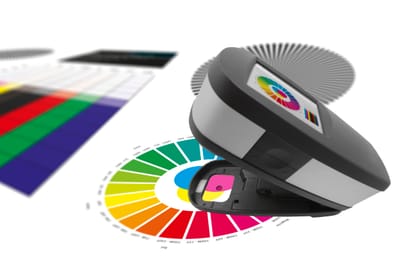
CIELAB provides precise, device-independent color measurement using Lab* coordinates, while LCh (lightness, chroma, and hue) offers an intuitive polar view for easier adjustments. Learn how to use both for accurate color matching in printing, photography, design, textiles, and manufacturing— including ΔE calculations, hue/chroma corrections, and real-world workflows.
Read MoreBlog #color management
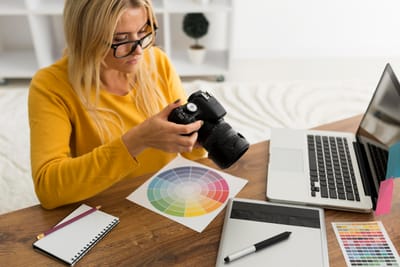
Struggling with colors that look different on screen, print, or online? This practical guide walks you through essential color management techniques—monitor calibration, ICC profiles, working color spaces (sRGB vs. Adobe RGB), soft proofing, and real-world workflows for photographers and designers to achieve consistent, accurate colors every time.
Read More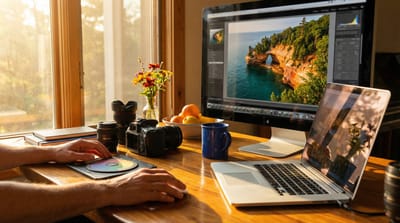
RGB and CIE XYZ tell us the physics of color, but they don’t capture how colors appear under different lighting, backgrounds, or viewing conditions. Enter Color Appearance Models (CAMs) like CIECAM02 and CIECAM16 — the advanced tools that predict brightness, colorfulness, and hue as the human eye actually perceives them. Discover why these models are essential for realistic HDR displays, accurate color management, and making digital images look truly lifelike.
Read More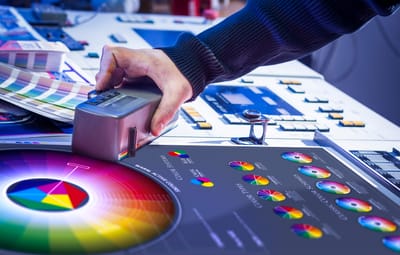
Discover how color science makes vibrant screens and accurate prints possible. Learn about the exciting technology that keeps colors looking the same and accurate on different devices and in print, from how digital screens use additive RGB mixing (like OLED and Quantum Dots) to how printing uses subtractive CMYK, along with the important roles of CIE color spaces and ICC profiles.
Read More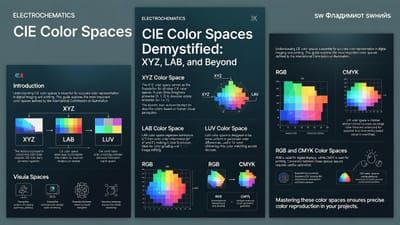
Confused by color spaces like CIE XYZ and CIELAB? Discover how the International Commission on Illumination (CIE) created the first device-independent color systems in 1931, why XYZ became the foundation of modern color science, and how LAB makes color perception more human-friendly. A clear, beginner-to-intermediate guide to the backbone of accurate color reproduction.
Read More