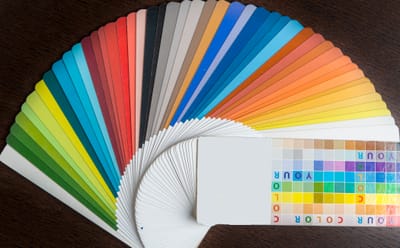
Traditional color theory taught us red-yellow-blue primaries, perfect complementary colors, and fixed warm vs cool rules. Many of these ideas are outdated or simply wrong. Discover the biggest color myths debunked by modern color science — from RGB vs RYB primaries and why complements don’t always make gray to the truth about warm vs cool colors and magenta.
Read MoreBlog #color perception
Warm colors (reds, oranges, yellows) energize and stimulate, while cool colors (blues, greens, purples) calm and soothe. Explore the science behind why we perceive colors as warm or cool — from wavelengths and color temperature to psychological effects on mood, arousal, and behavior — plus practical tips for design, branding, and everyday life.
Read More
RGB and CIE XYZ tell us the physics of color, but they don’t capture how colors appear under different lighting, backgrounds, or viewing conditions. Enter Color Appearance Models (CAMs) like CIECAM02 and CIECAM16 — the advanced tools that predict brightness, colorfulness, and hue as the human eye actually perceives them. Discover why these models are essential for realistic HDR displays, accurate color management, and making digital images look truly lifelike.
Read More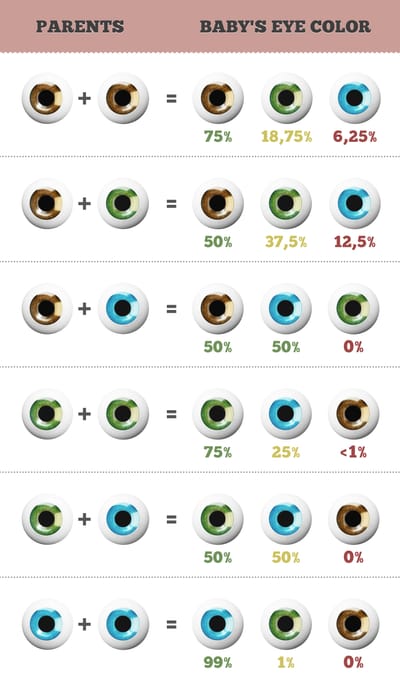
Most people think color blindness means seeing only in black and white. The surprising truth is far more intriguing. Discover the different types of color vision deficiency, why it affects more men than women, how the human eye actually works, and what the world really looks like to someone who is color blind.
Read More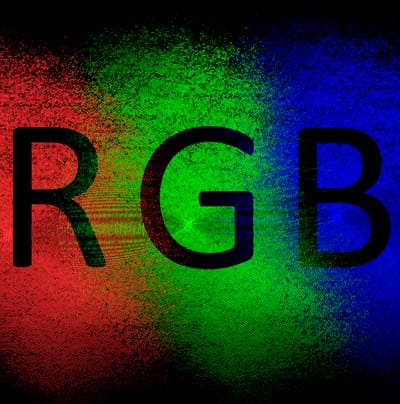
Your phone, TV, and laptop screen can display millions of vibrant colors using just three: red, green, and blue. Discover the fascinating science of additive color mixing, how tiny RGB subpixels work together to trick your eyes, and why this system perfectly matches human vision.
Read More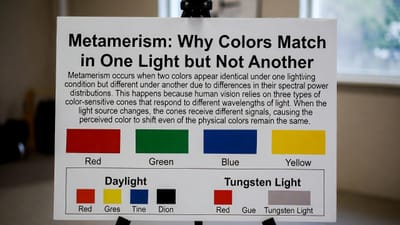
Have you ever matched two colors perfectly in the store, only to see them look completely different at home? That’s metamerism at work. Discover why certain colors that appear identical under one light source can look strikingly different under another, the role of spectral power distributions, and how this phenomenon affects design, printing, photography, and everyday life.
Read More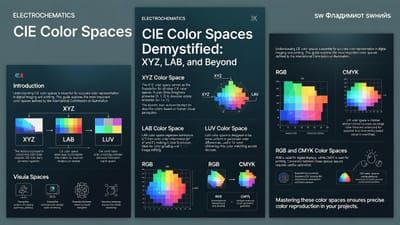
Confused by color spaces like CIE XYZ and CIELAB? Discover how the International Commission on Illumination (CIE) created the first device-independent color systems in 1931, why XYZ became the foundation of modern color science, and how LAB makes color perception more human-friendly. A clear, beginner-to-intermediate guide to the backbone of accurate color reproduction.
Read More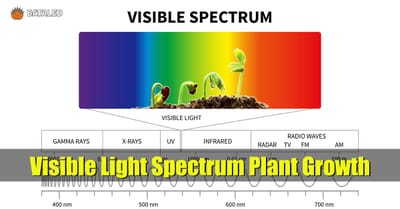
Red feels bold, energetic, and unmistakable—yet it’s not an inherent property of objects. Discover the physics of light wavelengths, how a red apple reflects specific waves while absorbing others, and the biological role of your L-cones and brain in creating the vivid sensation of red. A beginner-friendly dive into why we see color at all.
Read More
Discover the astonishing biology behind color vision. Learn how just three types of cone cells in your retina, combined with clever neural processing, let you experience millions of colors — and why color is more illusion than reality.
Read More
Discover how the eye and brain work together to interpret color, from light wavelengths and cone cells to context, contrast, and optical illusions.
Read More